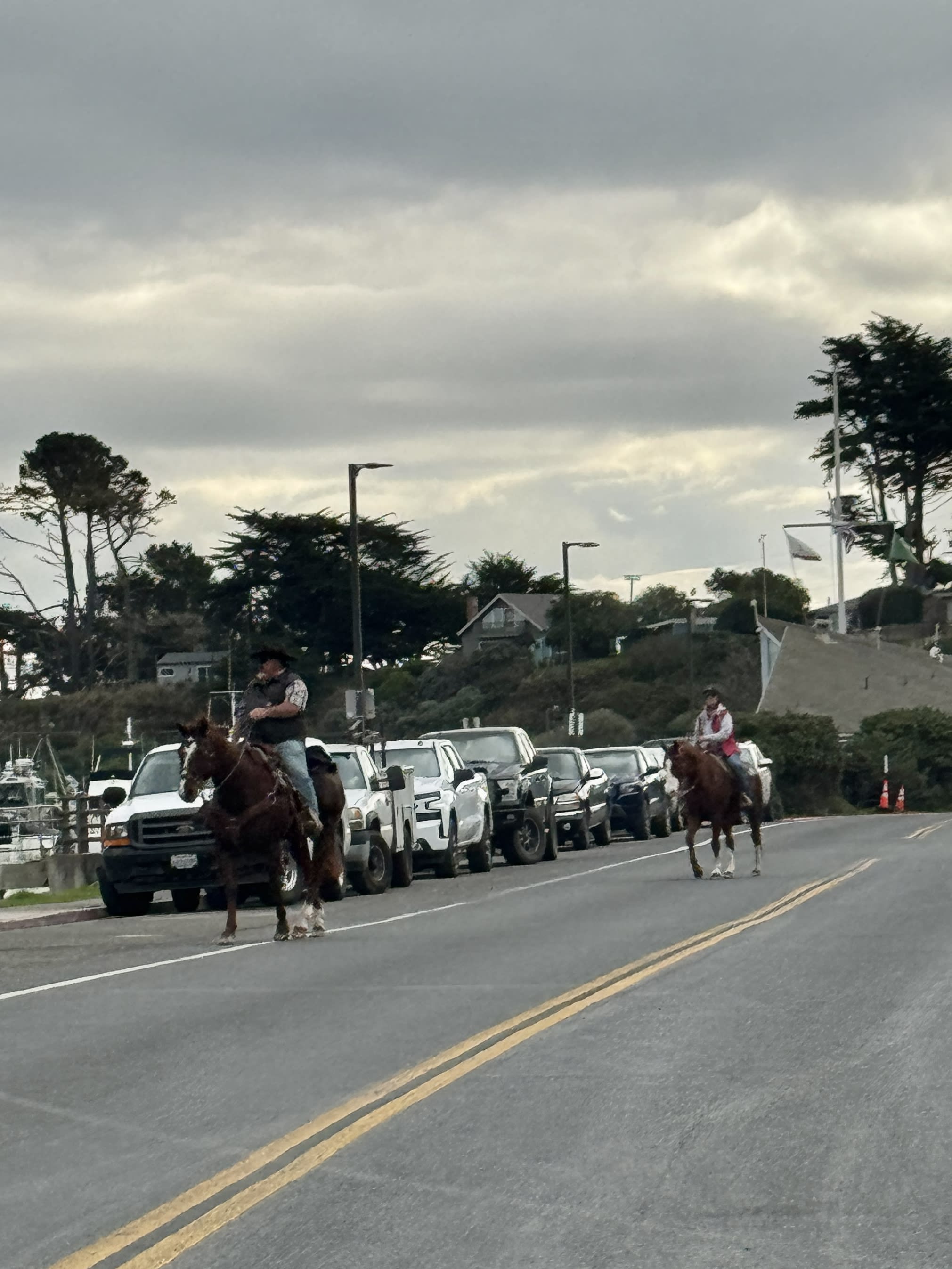
Yes, you can own horses in Orange County. It is one of the few places left in Southern California where you can keep horses at home and ride from your back gate onto a trail. But horse property here is not one market. It is a handful of small communities, each with its own rules, trails, and kind of horse life. Here is how it works.
The first thing to know is that no county-wide rule covers horses. Zoning varies by city, and in some places it varies by street. A lot that allows horses can sit next to a lot that does not. The number of horses you can keep is usually tied to lot size, and barns, corrals, and arenas have setback rules of their own. Before you fall in love with a property, check the exact parcel with the city planning department. A zoning verification letter is the safest way to confirm the zone, the number of horses allowed, and whether the barn and corral meet the setbacks.
Yorba Linda is the best known horse community in North Orange County, and it is my home base. The city has more than 100 miles of trails for walking, biking, and horseback riding, plus the Phillip S. Paxton Equestrian Center. The Yorba Linda Country Riders, our local riding club, celebrated its 55th year in 2025, which tells you how deep the horse culture runs here. The larger-lot zones include R-S (about 10,000 square feet minimum), R-E (about 15,000 square feet), RLD (about 39,000 square feet), and R-A (about one acre), and the city's animal rules tie the number of horses you can keep to the size of your lot. Many properties in the central and western parts of the city have stalls, tack rooms, wash racks, and trail gates, and riders can reach Chino Hills State Park from the Quarter Horse Drive trailhead. Horses are allowed on most of the park's roughly 90 miles of trails and fire roads, though a few trails are hikers only and trails close after rain because the clay soil gets slick.
Orange Park Acres, in the city of Orange, is the county's oldest equestrian community. It was established in 1928, and the Orange Park Acres Association calls it the last intact equestrian community in Orange County. The association maintains about 25 miles of multi-use trails that connect to Irvine Regional Park, Santiago Oaks Regional Park, and Peters Canyon Regional Park, so riders here can head straight from their neighborhood into county parkland.
In South County, Nellie Gail Ranch in Laguna Hills is the largest equestrian community in the county. It covers about 1,350 acres with around 1,400 homes, about 25 miles of horse trails, six riding arenas, and a community equestrian center with boarding. But not every lot in Nellie Gail Ranch is approved for horses, even though the community is built around them, so verify the specific lot before you make an offer.
San Juan Capistrano is the other South County anchor for horse life. The Ortega Ranch area in the hills above the city holds large equestrian estates with barns and trail access, and the Ortega Equestrian Center has offered boarding and training in town since the early 1980s. Several boarding stables operate in the city, and most equestrian neighborhoods back up to horse trails.
Trabuco Canyon and Modjeska Canyon offer a quieter, more rural version of the same life. O'Neill Regional Park covers about 4,500 acres in Trabuco and Live Oak Canyons, with more than 23 miles of trails for hiking, biking, and horseback riding, plus five equestrian campsites with corrals. Nearby Whiting Ranch Wilderness Park adds about 23 miles of multi-use trails, and Ronald W. Caspers Wilderness Park off Ortega Highway is popular with riders too.
If you are buying a horse property, do your homework before escrow. Ask the city's Planning Division for a zoning verification letter that confirms the zone, the number of horses allowed, and setback compliance for barns and corrals. Ask the seller about permits for any barn, arena, or covered structure. Check the trail access yourself and confirm where the trail easement actually runs. And appraisers do not always give full credit for equestrian improvements, so experienced local comps matter a lot when you write your offer.
If you are selling a horse property, presentation matters. Horse buyers are a small, motivated group, and they want to see the trail access, the stalls, the arena, and the paperwork that proves what the lot is allowed to do. I recommend gathering your zoning letter, permits, and a map of nearby trails before listing. Marketed the right way, an Orange County horse property can stand out in a way no tract home can.
Josh Alexander
The Brokeredge
Your Local Orange County Real Estate Agent
DRE#:01974435
714-366-2186